Understanding the Job of an Arborist: Essential Services for Tree Well-being and Maintenance
An arborist is indispensable for sustaining tree well-being and longevity. Arborists use specialized expertise to assess trees and create specific care programs. This includes trimming, identifying diseases, and managing soil quality. These specialists play a crucial role in promoting sustainable development. Their expertise not only enhances the aesthetic value of landscapes but also promotes ecological balance. Understanding their key services can show the vital impact they have on city and country environments alike.
The Importance of Arborists in Tree Care
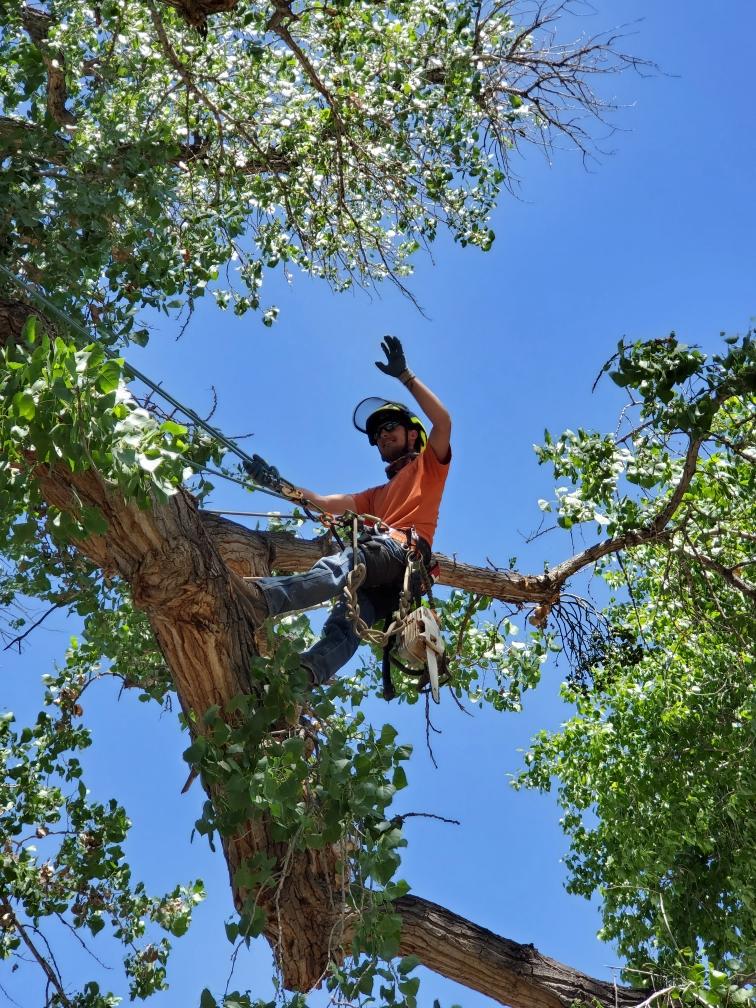
While many homeowners may fail to appreciate the role of arborists, their skill is essential for preserving tree vitality and longevity. Arborists are skilled practitioners who specialize in the care and management of trees. Arborists have in-depth expertise of tree biology, diseases, and environmental elements affecting growth. By examining tree health, arborists can determine potential problems, such as pest problems to nutrient deficiencies.
Their services cover a variety of critical tasks, including soil care, tree assessments, and overall maintenance strategies. Tree care experts also play a major role in making sure trees are situated in appropriate locations, factoring in elements such as sunlight, drainage, and space for growth. Their recommendations allows homeowners to make informed decisions that foster sustainable tree development. By hiring arborist services, homeowners not only improve the beauty of their landscapes but also contribute to the ecological health of their environment, ensuring trees flourish for a long time.
Crucial Tree Pruning Practices
Successful tree pruning practices are essential for preserving healthy and robust trees. Arborists employ various techniques to improve tree structure, encourage growth, and remove dead or diseased branches. One basic technique is crown reduction, which includes selectively taking out branches to increase light access and air flow. A second crucial technique is raising the crown, where the lowest boughs are removed to improve clearance and visibility. In addition, the practice of crown reduction decreases the overall mass of a tree’s canopy, reducing strain while keeping its natural silhouette.
Proper scheduling is key; pruning is typically best done during dormancy in late winter or early spring. This minimizes sap loss and encourages healthy growth. Arborists recommend using sanitized, keen equipment to create clean incisions, which helps prevent injury to the tree. Ultimately, these vital techniques don't just boost visual attractiveness but also substantially aid the tree's overall health and lifespan.
Planting and Transplanting Trees
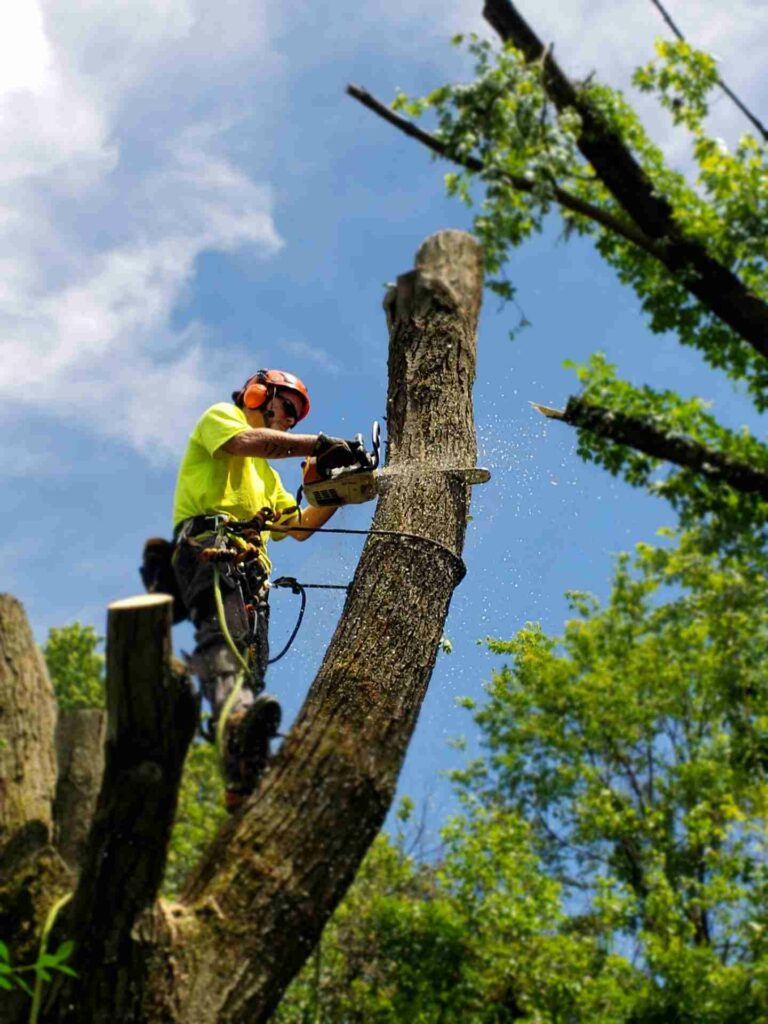
When looking at the installation of new trees, correct methods for planting and moving trees are vital for guaranteeing their thriving development and fitting into the surrounding area. Arborists emphasize the importance of choosing the correct type of tree for the location's environment, as well as making sure the planting pit is prepared well. The hole must be sufficiently broad to fit the entire root ball, facilitating natural root spread and oxygen exchange
During the relocation process, care must be taken to minimize root disturbance, which may impede the tree's capacity to establish itself in the new location. Arborists suggest relocating trees during the period of dormancy to minimize strain on the tree
(Florence Arborist)Following installation or moving, adequate irrigation and mulching are crucial for aiding the tree's settling in. Arborists also advise monitoring the tree’s growth and modifying maintenance routines as needed to ensure a successful transition into the surrounding environment, thereby leading to a healthy setting
Diagnosing Tree Diseases and Pests
How do you successfully spot the signs of tree diseases and pests? Arborists rely on an expert grasp of the science of trees and environmental factors to identify these problems. Symptoms such as foliage discoloration, slowed development, or leaves falling too soon frequently signal hidden issues. Additionally, the presence of unusual growths, such as galls or cankers, may indicate disease or insect activity.
Arborists also examine the bark for lesions, entry points, or frass, which might indicate bugs are at work. Studying the soil and surrounding environment assists in pinpointing factors causing stress, like insufficient drainage or nutrient deficits. Understanding seasonal cycles is vital, as certain pests show up at certain periods.
Tree Condition Reports and Care Programs

What strategies can be utilized to ensure optimal tree health? Arborists often begin with comprehensive tree health evaluations, involving a careful review of the tree's current status, including its framework, foliage, and root system. This assessment helps identify potential issues such as pathogens, harmful insects, or external stressors. Subsequent to the assessment, a tailored maintenance plan is formulated, focusing on individual needs
Typical elements of these programs cover correct watering routines, feeding strategies, and pruning practices to optimize growth and durability - Florence Arborist. Additionally, arborists may recommend mulching and soil management to improve nutrient availability and moisture retention. Routine checking is vital, allowing for adjustments to the care strategy if the environment evolves. By putting these techniques into practice, the health and longevity of trees can be greatly improved, ensuring they thrive in their surroundings and simultaneously benefiting the overall ecosystem
The Function of Tree Specialists in Urban Forestry
Arborists play an essential role in managing city trees by overseeing and preserving the condition of trees within city landscapes. Their specialized knowledge significantly adds to the environmental balance and beauty in city environments. Arborists engage in tree planting, ensuring review now appropriate species selection based on the specific site conditions and municipal planning necessities. Arborists carry out frequent health checks to recognize pathogens, harmful pests, and physical defects, applying specific remedies to boost the well-being of the trees.
Moreover, arborists formulate and carry out maintenance plans that include trimming, feeding, and watering, optimizing tree growth and longevity. Arborists also inform residents on why trees matter and appropriate care methods. Through cooperation with urban developers and environmental organizations, arborists help achieve sustainable metropolitan development, encouraging varied life forms and improving air quality. Their efforts are vital in developing green environments that serve both the community and the ecosystem, resulting in stronger urban habitats.
FAQs
What is the Best Way to Find a Professional Tree Expert Near Me?
In order to locate a certified arborist in your vicinity, it is advisable to check online databases, check with local plant shops, or get in touch with tree care groups. It's crucial to check their qualifications and read reviews to ensure quality service.
What Qualifications Should I Look for in an Arborist?
When looking for an arborist, one should look for certifications such as ISA or ASCA, sufficient expertise, proper insurance, and a strong track record based on feedback. These credentials guarantee professionalism and expertise in tree care and maintenance.
Do Seasons Matter for Tree Pruning?
Tree pruning is most effective during late winter or the beginning of spring when trees are dormant. Nevertheless, some species are better suited for summer pruning. The schedule is based on the tree type and specific growth patterns to encourage well-being and structure.
What is the Typical Cost of Arborist Services Typically Cost?
The average price for arborist work is between $300 and $1,500, influenced by things like tree size, location, and the difficulty of the job - Florence Arborist. Costs can fluctuate significantly based on local market needs and service provider expertise
Can I Perform Tree Care Without Professional Help?
Certainly, people are able to handle basic tree care without professional help, such as watering and mulching. But, for advanced procedures, including cutting or identifying illnesses, seeking advice from a professional arborist is best to guarantee tree health.